Overseas Filipino Workers are among the most active buyers in the Philippine property market — and for good reason. A DMCI condominium back home is part investment, part security blanket, part legacy. The challenge is buying a property when you're thousands of kilometres away. This guide walks you through the entire process, step by step.
Why DMCI Is OFW-Friendly
DMCI Homes has streamlined its process for remote buyers over the past decade. Key advantages:
- Flexible payment schedules aligned with OFW remittance cycles (quarterly or semi-annual options available)
- In-house documentation support — DMCI's in-house agents can coordinate everything remotely
- Digital signing for most documents via email or courier
- Strong resale/rental market — units can be rented out or sold if your situation changes
Step 1: Special Power of Attorney (SPA)
The most important document for buying property from abroad is the Special Power of Attorney. This authorizes a trusted person in the Philippines (a parent, sibling, or spouse) to sign documents and transact on your behalf.
Requirements for an SPA:
- Prepared and signed before a Philippine Consulate or Embassy in your country
- Must be notarized and authenticated (apostilled) by the local government
- Should specifically mention: signing of Contract to Sell, bank loan applications, and acceptance of unit
- Original must be sent to your representative in the Philippines
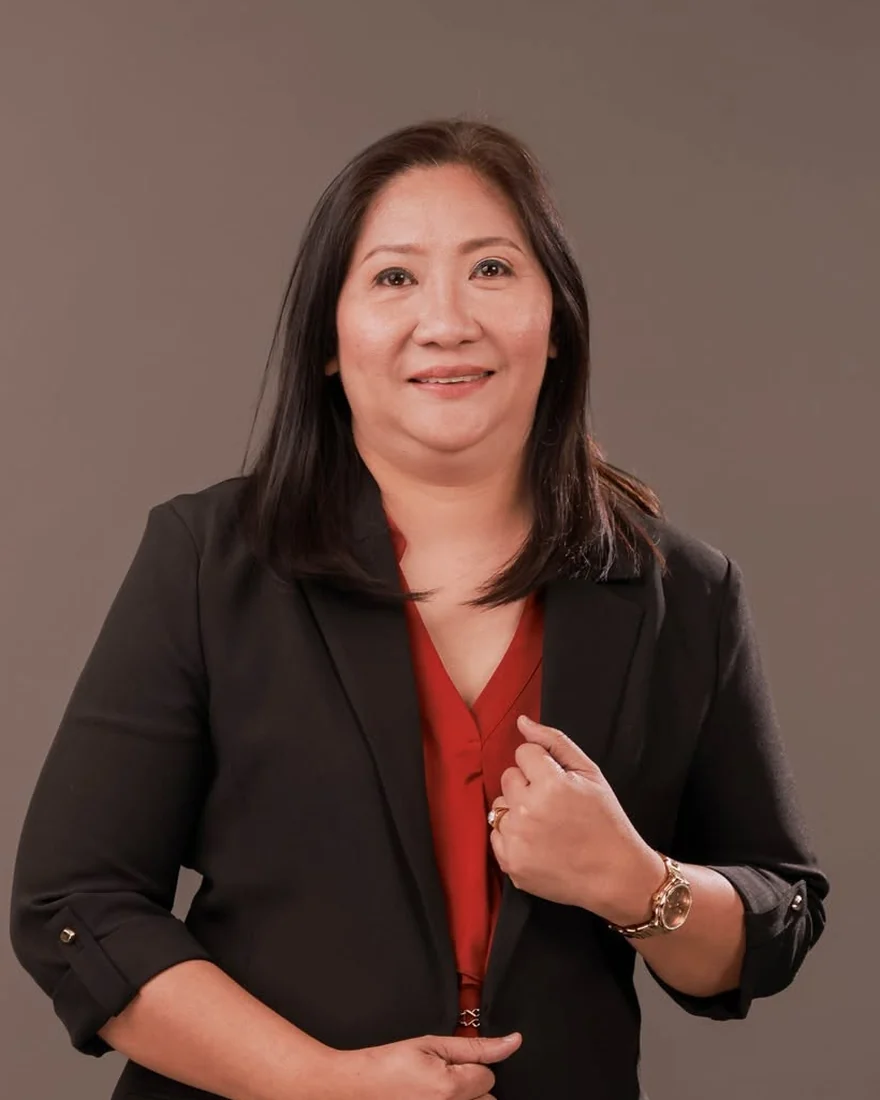
Marilou can provide a sample SPA template that covers all DMCI transaction documents — just ask and it will be sent to you via WhatsApp or email.
Step 2: Reservation & Payment from Abroad
You can pay the ₱20,000 reservation fee via:
- Bank wire transfer to DMCI's corporate account (details provided upon reservation)
- Western Union / MoneyGram to your SPA representative, who deposits locally
- Remittance centers (Palawan Express, LBC, etc.) if sending through a family member
- GCash / PayMaya transfers to your representative
Subsequent monthly amortizations can be set up via auto-debit (if you have a Philippine bank account) or paid directly by your representative from a joint account.
Step 3: Documents You'll Need
Prepare the following before or shortly after reservation:
- Valid passport (bio page + photo)
- OEC or proof of overseas employment
- Latest 3–6 months payslips or proof of income
- Bank statements (3–6 months)
- Signed SPA (consularized)
- Marriage Certificate (if applicable)
- TIN number (can be applied for remotely via BIR)
Step 4: Turnover & Rental Setup
When your unit is ready for turnover, your SPA representative attends the inspection and signs the Certificate of Unit Acceptance. If you plan to immediately rent out the unit:
- Work with a licensed property management company or informal rentals via Facebook Marketplace / Airbnb
- DMCI communities in Taguig, Pasig, and Quezon City typically achieve rental yields of 4–7% annually
- Marilou can connect you with trusted property managers who handle OFW-owned units
"The best time to buy was yesterday. The second best time is now — when prices are still within reach and payment terms allow you to buy without feeling the pinch abroad."
One more route worth pricing before you commit, if you are working in the UAE: you can buy freehold property in Dubai in your own name, with no income or capital gains tax on it, paid out of the dirham salary you already earn. It is a genuinely different set of numbers — higher yields, a currency pegged to the dollar, and a 10-year residency at AED 2,000,000. I run that as a separate practice, and the full arithmetic is laid out in the OFW guide to buying property in Dubai. Run both sides honestly; for plenty of buyers the Philippines still wins, and I will tell you when it does.
Have a specific property or budget in mind? Message Marilou on WhatsApp or Viber — available across all time zones — and get a personalised computation showing exactly what your monthly commitment would be from abroad.
Ready to take the next step?
Talk to Marilou Grace Ganapin — DMCI Homes Property Consultant — for a free, no-pressure consultation.